Cancer pain refers to the type of pain that occurs due to cancer itself, ongoing treatment, or the complications related to the disease. Cancer Pain Management in Siliguri at Dr. Saptarshi Ghosh clinic focuses on addressing different types of pain such as burning, tingling, numbness, electric-shock-like, or mild yet chronic pain. Pain can be managed and controlled effectively when it is treated with a combination of medications, supportive care, and cancer therapies. The target is to reduce pain to resume normal activities, sleep, and a good quality of life while minimizing side effects.
The pain management process starts with evaluating the severity of the pain on a scale of 1-10, the location and type of pain (for example, bone, soft tissue, visceral, etc.), whether the pain is constant or hits like a lightning bolt, and the cause of pain (for example, tumor, surgery, chemotherapy, radiation, etc.).

The next step is to decide which medications are suitable for constant and breakthrough pains. WHO principles must be followed while administering medications for each type of pain. For breakthrough pains, fast-acting opioids are given in addition to regular medicines. Some non-drug treatments are also provided to the patient.
The final step is to limit the side effects from the pain medications. Pain medications have been reported to cause a range of side effects, including nausea, drowsiness, constipation, and dizziness.
Cancer pain can be caused by cancer itself, its treatment, or related complications. For patients undergoing cancer treatment in Siliguri , identifying the root cause of the pain is essential for selecting the most suitable treatment to mitigate the pain.
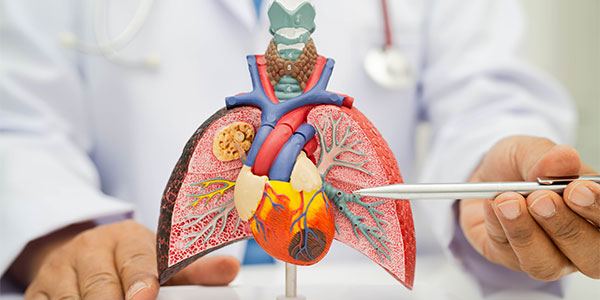
A growing tumor pressing on nearby organs, nerves, bones, or other tissues causes pain.

Tumor and immune cells release chemical signals that irritate and sensitize local nerve endings.
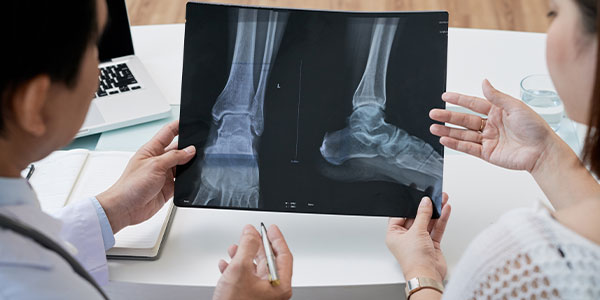
Cancer cells destroy bones faster than they can be rebuilt, creating lesions. They may also trigger abnormal bone growth, which is dense but structurally weak.

A tumor affecting the liver, lungs, abdomen, or pancreas may cause pressure- or obstruction-related pain.

Muscle weakness, fractures, or reduced mobility can contribute to pain, limiting mobility and bringing down the overall quality of life.

A tumor in the spine can cause weakness, numbness, severe back pain, or problems with bladder and bowel control.
There are different types of cancers, various body types, ongoing therapy, and how the cancer is advancing or regressing; hence, the types of pain associated with each type are different.
Short-term pain that might occur after surgery, treatments, or diagnostic procedures.
It persists for a longer duration and occurs due to tumor growth, metastasis, or its treatment.
Sudden and severe pain that is triggered by movement, activity, or occurs unexpectedly.
It occurs due to injury or compression of nerves by the tumor or cancer treatment. It feels like burning, electric shock-like, tingling, or numbness.
This results when cancer damages or irritates normal tissues. Patients describe it as aching, throbbing, or pressure-like pain.
Patients may even experience a combination of nociceptive or neuropathic pain. (Example: a tumor may spread to bone and nearby nerves, producing both aching and burning pain ).
Bone cancers are rare; however, pain in the bone starts when cancer cells invade bones. It starts as a dull and deep ache that comes and goes. Over months, it becomes constant and worsens at night.

Cancer patients experience various symptoms due to cancer itself, its treatment, or related complications. A few warning symptoms occurring during cancer treatment may require immediate medical attention, as they might indicate infection, disease progression, treatment-related complications, or some other serious issue.
Pain in a new area or occurring suddenly, which is not going away with prescribed medications, might require urgent medical help.
Fever, chills, cough, burning sensation during urination, or some other signs of infection must be immediately addressed, especially in patients receiving chemotherapy.
Loss of appetite or persistent reduction in food intake may indicate nutritional problems or disease progression.
Chest discomfort or shortness of breath may indicate blood clots, lung involvement, infection, or some other complication.
If the patient starts bleeding from the mouth, vagina, stool, or urine or has abnormal bruises, then it requires urgent medical care.
such as headaches, confusion, seizures, weakness, numbness, difficulty speaking or loss of balance, may suggest nervous system involvement.
Immense tiredness that hampers daily activities may indicate infection, anemia, disease progression, or treatment effects.
Redness, swelling, discharge, changes around surgical sites or non-healing wounds may indicate infection or complication.
Failure to retain fluids can cause dehydration and electrolyte imbalance.
neck, or arms may indicate blockage of a major vein.
Cancer pain assessment is a comprehensive process that involves understanding the cause, severity, and the impact of pain on the patient’s life. A thorough evaluation allows doctors to develop personalized cancer pain management for patients in Siliguri that ameliorates pain and improves quality of life. The doctor evaluates the following aspects -
Patients are asked to describe their pain
The healthcare team of Dr. Saptarshi Ghosh performs a physical examination to :
Additional tests may be performed to gather more clarity on the underlying cause of the pain. These tests help confirm tumor growth, nerve compression, bone involvement, or treatment-related complications.
Pain assessment is an ongoing process. It must be routinely monitored so that treatment can be adjusted accordingly and the treatment can be moved beyond pills. The healthcare team regularly reviews
Cancer pain varies from person to person, type of cancer, its duration, and type of treatment being received by the patient. Hence, treatment must be tailored to each individual's condition, type of cancer, stage of disease, personal preferences, and overall health.
Salient Components of Personalized Cancer Pain Treatment in Siliguri

It includes detailed evaluation of


Minimally invasive, image-guided techniques when medications alone are insufficient.

The Cancer Pain subsides as the patient recuperates after cancer treatment begins. Cancer treatment can be any of the following-

Supportive and rehabilitation therapies provide pain relief and improve daily functioning. Some of the healing therapies are -
Early cancer pain management in Siliguri improves comfort, well-being, and quality of life. Addressing pain promptly prevents the development of complex, treatment-resistant chronic pain and provides relief. It also assists in -
Choosing the right Cancer Pain Management expert is paramount as she/he will prevent failed treatment, avoid over-reliance on strong drugs, and simultaneously focus on risk reduction. Dr. Saptarshi is dedicated to providing compassionate, data-driven, and personalized pain management. Patients have experienced profound relief from pain after his cancer pain management treatment.
Dr. Saptarshi commands proficiency in complex cancer pain management. His treatment options include pharmacological treatments and advanced interventional pain procedures when required.
Treatment plans are made collaboratively with inputs from patients and their families. Test reports are scanned thoroughly to prepare a data-driven treatment plan.
Cancer Pain treatment is tailored according to each person’s cancer type, the cause of pain, the stage they are at, and the severity of pain they are experiencing, etc.
Dr. Saptarshi has pursued many outstanding degrees like MD Radiation Oncology ( Gold Medallist ), MRCP, ECMO, and many other reputed degrees, which fortify the trust of the patient in his medical acumen.
Pain management is an ongoing process. He advises regular appointments to better assess treatment effectiveness, manage side effects, and modify the treatment plan as the patient’s needs change.
Copyrights © 2026, Dr. Saptarshi Ghosh.